The benefits of vacuum mixing for cosmetics and pharmaceutical products
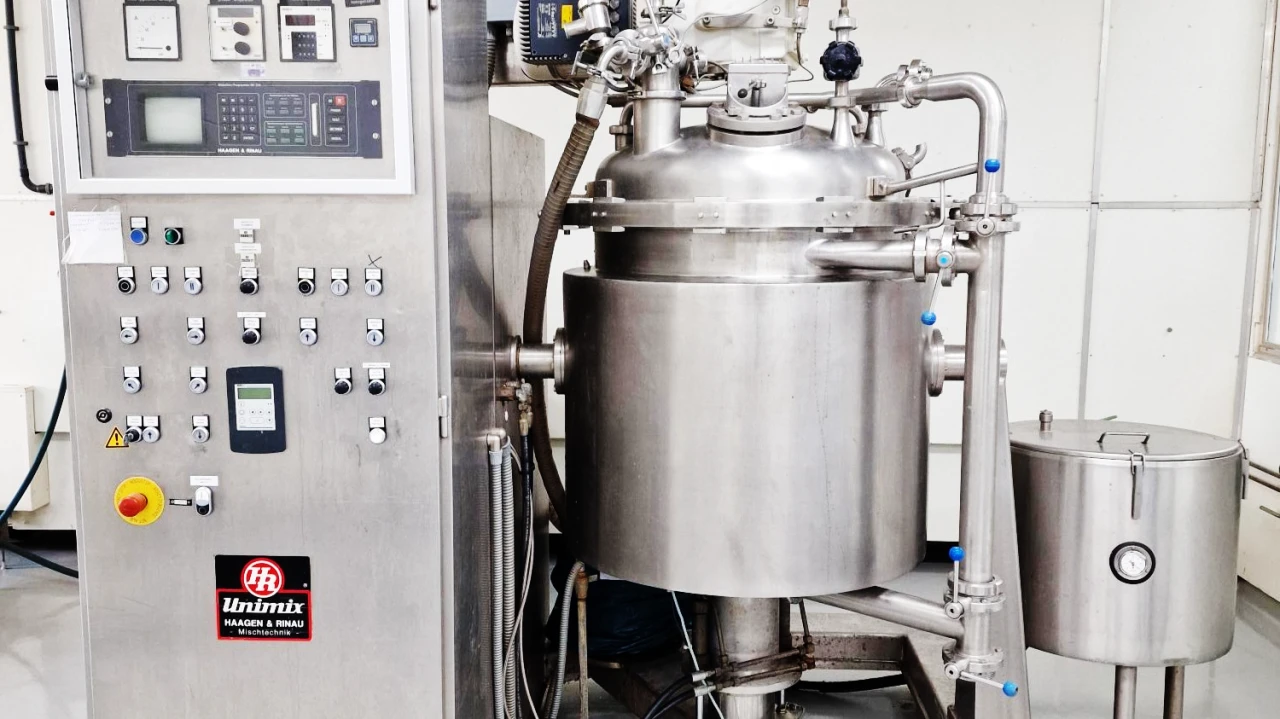
Medi-fill has invested in a new vacuum system for its bulk production department. But why is this important? In this article, I’ll explain the importance of mixing and blending under vacuum pressure, which has significant advantages compared to more traditional atmospheric mixing and blending systems.
In the production of cosmetics and pharmaceutical products, achieving a high level of consistency and stability in products like gels and creams is crucial. One of the most effective ways to ensure this is through vacuum mixing technology.
What is vacuum mixing?
Vacuum mixing is a process in which mixing takes place under reduced pressure, lower than the normal atmospheric level. This method helps eliminate air from the mixture as it is being blended.
Advantages of vacuum mixing
- Enhanced homogeneity and consistency: Vacuum mixing allows for even distribution of ingredients, resulting in a more uniform final product. This is particularly important in cosmetics and pharmaceuticals, where consistency directly affects product performance and user experience. The absence of air pockets ensures that active ingredients are properly dispersed, leading to superior texture and stability.
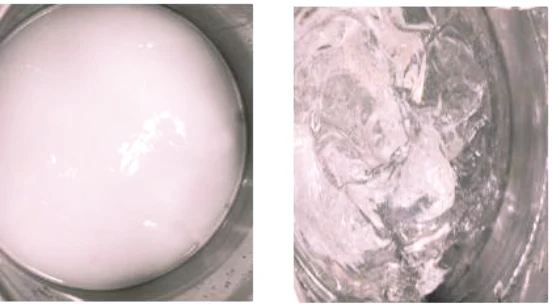
- Elimination of air bubbles and improved aesthetic quality: One of the major challenges in cosmetic and pharmaceutical manufacturing is the presence of air bubbles, which can lead to an uneven appearance and compromised texture. Vacuum mixing eliminates these bubbles by removing air from the mixture, leading to a smooth, lump-free product. This is especially beneficial for creams, lotions, gels, and ointments.
- Increased shelf life and stability: The presence of air in a product can accelerate oxidation, leading to the degradation of active ingredients and a shorter shelf life. Vacuum mixing minimizes exposure to oxygen, helping to preserve the potency and effectiveness of key ingredients.
- Improved emulsion formation: Many cosmetics and pharmaceutical formulations require emulsification, the process of blending oil and water-based ingredients. Vacuum mixing enhances this process by preventing air entrapment, leading to stable emulsions with better viscosity and consistency. This reduces the likelihood of product separation over time.
- Enhanced absorption and performance: In skin care and pharmaceutical topical applications, the effectiveness of a product is often determined by how well it absorbs into the skin. A uniform, finely mixed formula created through vacuum mixing allows for better absorption, ensuring that active ingredients penetrate the skin effectively and provide the desired benefits.
- Reduced production time and energy consumption: Traditional (atmospheric) mixing methods often require longer processing times and multiple steps to achieve the desired consistency. Vacuum mixing streamlines the process by accelerating homogenization and reducing the need for additional refining steps. This leads to increased production efficiency, lower energy consumption, and reduced manufacturing costs.
Conclusion
Vacuum mixing is an essential technology for the production of high-quality cosmetics and pharmaceutical products. By improving homogeneity, eliminating air bubbles, and enhancing stability, it plays a crucial role in delivering safe and effective products to consumers. As the demand for innovative and reliable formulations continues to grow, vacuum mixing remains a key solution for manufacturers looking to optimize their production processes and product quality.
We're here for you
+31 (0)72 721 01 80
info@medifill.eu