What makes a barrier cream different from a regular skin cream?
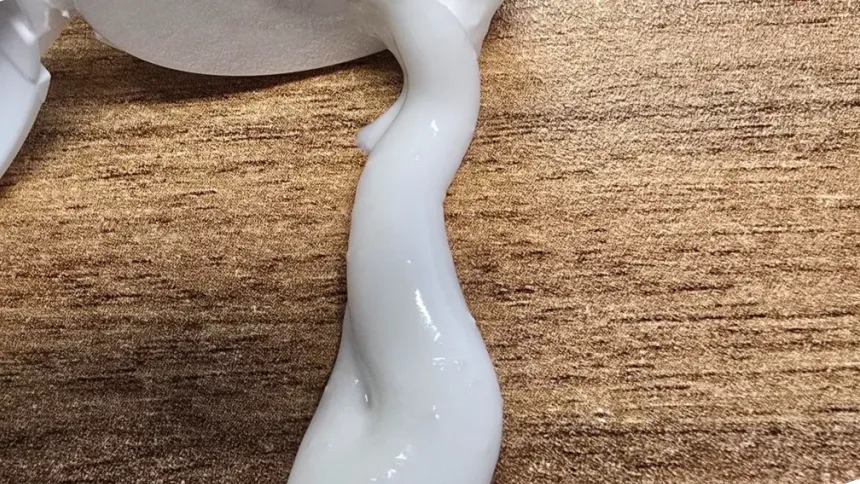
As a manufacturer of barrier creams, widely used in care homes and hospitals, we are often asked about the difference between a barrier cream and a regular skin cream. In this article, I’ll explain the key differences to help you understand their distinct purposes and benefits. First we need to understand the differences between a W/O and an O/W emulsion.
Understanding W/O and O/W emulsions in skincare
Emulsions are a fundamental component of many skincare formulations, serving as vehicles for delivering active ingredients to the skin. They consist of two immiscible liquids—water and oil—stabilized by an emulsifying agent. Depending on the ratio and distribution of these phases, emulsions can be categorized into water-in-oil (W/O) and oil-in-water (O/W) types. Each type has distinct properties that influence its efficacy, texture, and suitability for various skincare applications.
What is a water-in-oil (W/O) emulsion?
A W/O emulsion is composed of water droplets dispersed within an oil continuous phase. In this system, oil serves as the primary carrier, encapsulating water within its structure.
Advantages of W/O emulsions
- Enhanced barrier function: The oil-dominant phase creates a protective layer on the skin, reducing transepidermal water loss (TEWL) and preventing dehydration.
- Longer hydration: By trapping water within the oil matrix, W/O emulsions provide prolonged hydration.
- Fat-soluble active delivery: Ideal for delivering lipophilic (fat-soluble) active ingredients, which are better dissolved and absorbed in an oil phase.
- Water resistance: Due to the oil-dominant nature, W/O emulsions resist being washed off easily, making them suitable for sunscreens and protective creams.
Disadvantages of W/O emulsions
- Greasy texture: The high oil content can leave a greasy residue on the skin, which may not be ideal for oily or acne-prone skin types.
- Lower cooling effect: The oil layer reduces the refreshing sensation typically associated with water-based products.
- Complex formulation: Stabilizing a W/O emulsion is technically more challenging and may require specialized emulsifiers.
What is an oil-in-water (O/W) emulsion?
An O/W emulsion consists of oil droplets dispersed within a continuous water phase. This type is more commonly used in skincare products due to its lightweight and non-greasy feel.
Advantages of O/W emulsions
- Light texture: The water-based nature ensures a non-greasy, fast-absorbing finish, suitable for most skin types, including oily and combination skin.
- Cooling sensation: The high water content provides a refreshing and soothing feel upon application.
- Hydrophilic active delivery: Excellent for delivering water-soluble active ingredients like vitamins, peptides, and hydrating agents.
- Ease of application: O/W emulsions spread easily and are less likely to clog pores, making them ideal for daily use.
Disadvantages of O/W emulsions
- Shorter hydration: Lacking the occlusive properties of oil, O/W emulsions may not provide as much long-lasting hydration.
- Lower fat-soluble delivery: Less effective at delivering lipophilic actives compared to W/O systems.
- Water sensitivity: O/W emulsions are more susceptible to being washed off, reducing their efficacy in environments where prolonged wear is required.
Choosing the right emulsion for active delivery
The choice between W/O and O/W emulsions depends on the specific active ingredients and the intended use of the product.
- For hydration: W/O emulsions are better for dry or compromised skin needing long-lasting moisture.
- For a lightweight feel: O/W emulsions suit daily moisturizers and products targeting oily or acne-prone skin.
- For active stability: Some active ingredients are more stable in oil than in water, making W/O emulsions more suitable for these formulations.
- For special conditions: W/O emulsions are ideal for protective creams and sunscreens, while O/W emulsions work well for hydrating lotions and serums.
Conclusion
Understanding the differences between W/O and O/W emulsions helps in choosing the right formulation for specific skincare needs. While W/O emulsions excel in occlusion and fat-soluble active delivery, O/W emulsions are preferred for their lightweight and versatile properties. The balance between efficacy, texture, and application requirements determines the most suitable choice for optimal skin health and active ingredient performance.
We're here for you
+31 (0)72 721 01 80
info@medifill.eu